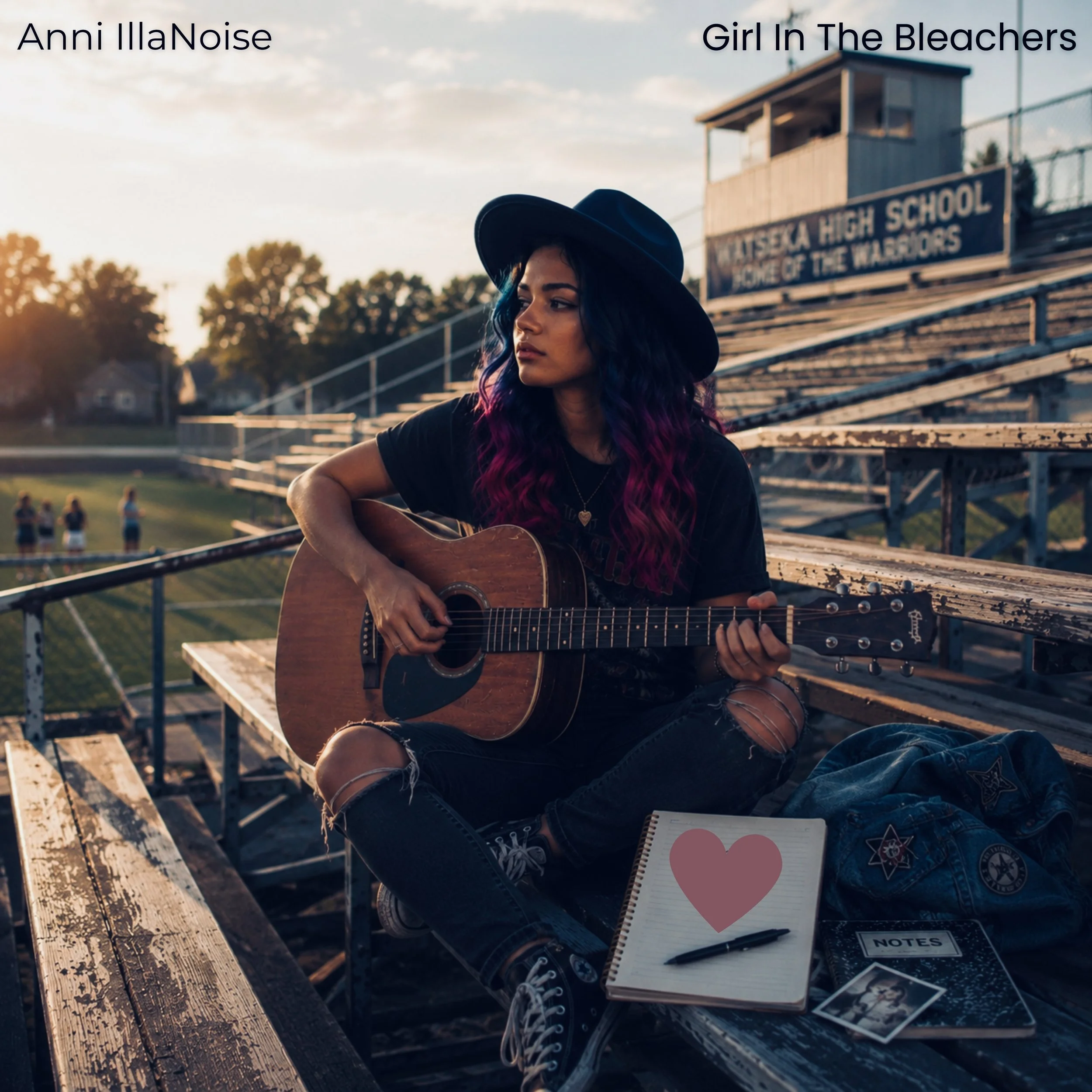
Girl In The Bleachers
A song about being on the sidelines of the action, but observing everything.
I think almost every school has people everyone notices, and then there are the people quietly watching it all happen. I was definitely more comfortable being the second one.
I spent a lot of time observing. Watching friendships, first romances, breakups, victories and disasters play out around me. As a songwriter, that’s actually a great place to be because you notice the little moments other people miss. You start collecting stories without even realising you’re doing it.
Girl In The Bleachers is about that feeling of being on the edge of everything instead of in the middle of it. At the time, it sometimes felt lonely. Looking back, I realise those quiet afternoons sitting on the bleachers with a notebook probably taught me more about people than if I’d been the centre of attention.
The song isn’t about wishing I’d been someone else. It’s about realising there was strength in being the observer. While everyone else was worrying about Friday night’s game or who was dating who, I was imagining a life beyond my hometown and filling notebooks with songs that nobody else knew existed.
I think a lot of people grow up feeling invisible, especially at school. It can feel like everyone else has the exciting life while you’re just watching from the sidelines. But sometimes the people on the sidelines are the ones paying the closest attention. They’re the ones who remember the stories.
Whenever I sing Girl In The Bleachers, I think about the younger version of me who wasn’t sure where she fitted in. She probably would’ve been amazed to know that all those afternoons spent quietly watching the world would one day become the songs that connected me with so many other people.
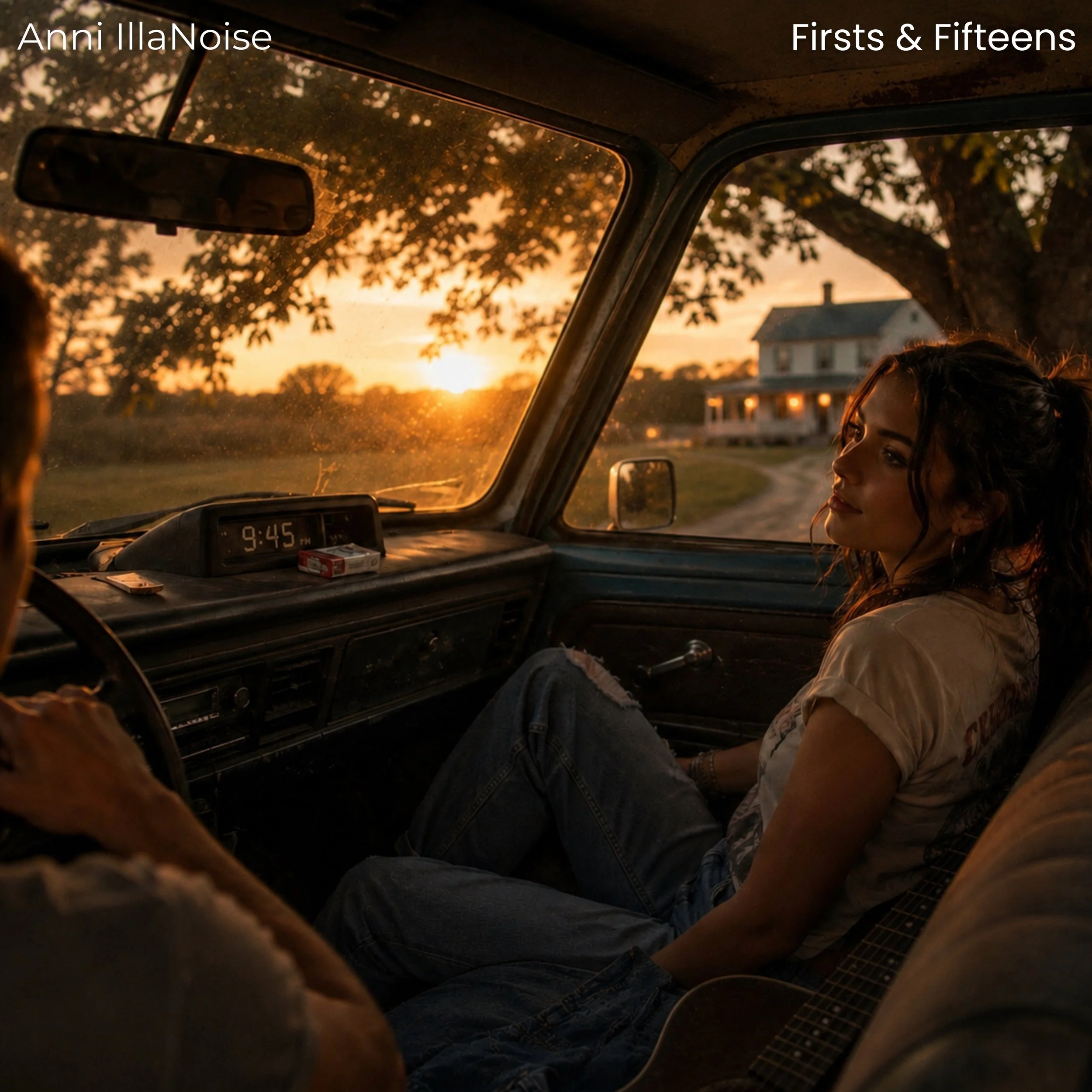
Firsts & Fifteens
A song about the first tastes of freedom, heartbreak, and becoming yourself at fifteen.
The title Firsts & Fifteens has a double meaning.
On the surface, it nods to the 1st and the 15th — payday, that little jolt of freedom when you’re young and your own money starts to feel like proof that life might finally belong to you.
But underneath that, the song is really about being fifteen and living through all those firsts that feel enormous at the time: first jobs, first crushes, first heartbreaks, first late nights, first little tastes of independence, first times you realise your parents or your town or your friends might not have all the answers.
At fifteen, everything feels like it matters forever. A look across a room can feel like destiny. A bad decision can feel like the end of the world. A few dollars in your pocket can feel like a door opening. You’re still a kid in so many ways, but you’re starting to rehearse adulthood without knowing that’s what you’re doing.
That’s what Firsts & Fifteens is really about — not just money, but possibility. The strange sweetness of being young enough to believe the future is waiting right around the corner, and old enough to feel the ache of wanting to reach it.
Looking back, I think the song holds both things at once: the thrill of payday freedom, and the emotional chaos of first becoming yourself. It’s about that age when everything is new, everything is dramatic, and every small step forward feels like the beginning of real life.
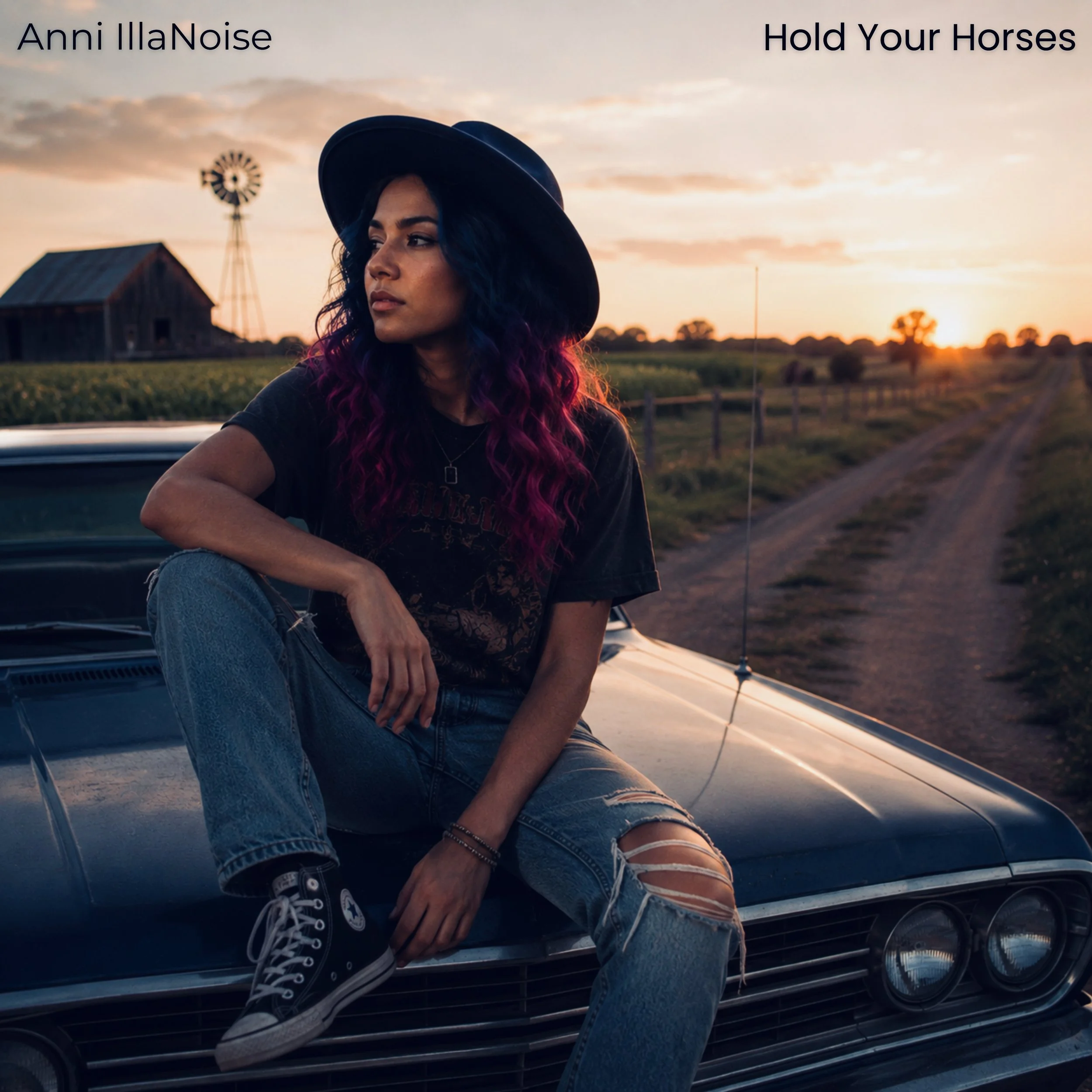
Hold Your Horses
A song I adapted from my Mom’s original version to make it more relevant to me.
This song has a really personal story behind it because, in a way, I didn’t write the original version.
When I was little, my mum used to sing a song called Hold Your Horses to me. I absolutely loved it. To me, it was just a funny song about cowboys and horses, and I’d ask her to sing it over and over again.
It wasn’t until years later that I realised it was actually a love song.
I remember laughing when that finally clicked. I must have been far too young to understand what the lyrics were really about, but children don’t hear songs the way adults do. I just heard my mum’s voice, and that made it feel safe and comforting.
Years later, I decided to write my own Hold Your Horses. I kept the warmth and playfulness I remembered, but I made it my own. My version is still about taking your time and not rushing into love, but it’s also a little thank you to my mum for giving me one of my earliest musical memories.
Our relationship has never been simple. There were long periods when she wasn’t around, and I missed her more than I knew how to say. But some of my happiest childhood memories are of her singing to me, and this song lets me hold onto one of them.
Every time I perform it, I’m reminded that music has a funny way of connecting people across time. Sometimes a song outlives the moment it was written for and becomes part of someone else’s story. That’s what happened with Hold Your Horses. It started with my mum, and somewhere along the way it became mine.
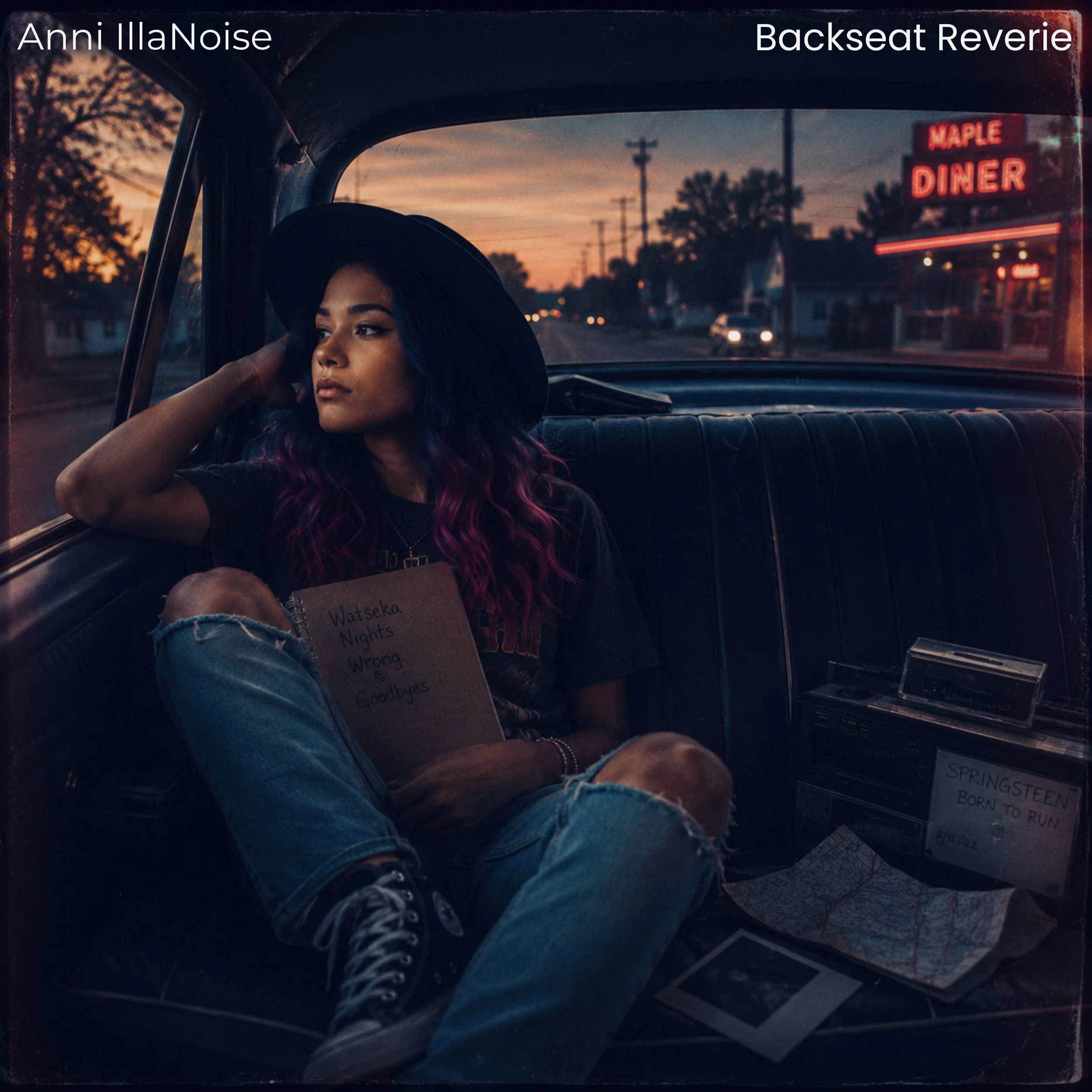
Backseat Reverie
A song about first love, old memories, and the people who stay with you long after you leave town.
I think everyone has one memory that refuses to stay in the past. You can be getting on with your life, hear a certain song or drive down a familiar road, and suddenly you’re seventeen again. That’s what Backseat Reverie is about.
It’s inspired by those first big relationships that feel like they’ll last forever because you don’t know yet that some people are only meant to be part of one chapter of your life. Looking back, I don’t think I was really writing about one person as much as I was writing about a moment in time.
When you’re young, everything feels bigger. Late-night drives, cheap drinks, holding someone’s hand for the first time—they all seem like they’ll define the rest of your life. Years later, you realise you remember the feeling more than the details.
I wanted the song to feel like a memory itself: warm, a little blurry, and impossible to hold onto. That’s why there’s so much imagery of dashboard lights, old roads and passing places. Those are the things that seem to stay with us long after conversations have been forgotten.
I don’t see Backseat Reverie as a sad song, even though there’s heartbreak in it. It’s more about appreciating the people who helped shape you, even if they were only in your life for a little while. Not every love story has to last forever to matter.
Whenever I sing it, I’m reminded that growing up isn’t about forgetting where you’ve been. It’s about carrying those memories with you without letting them stop you from moving forward.
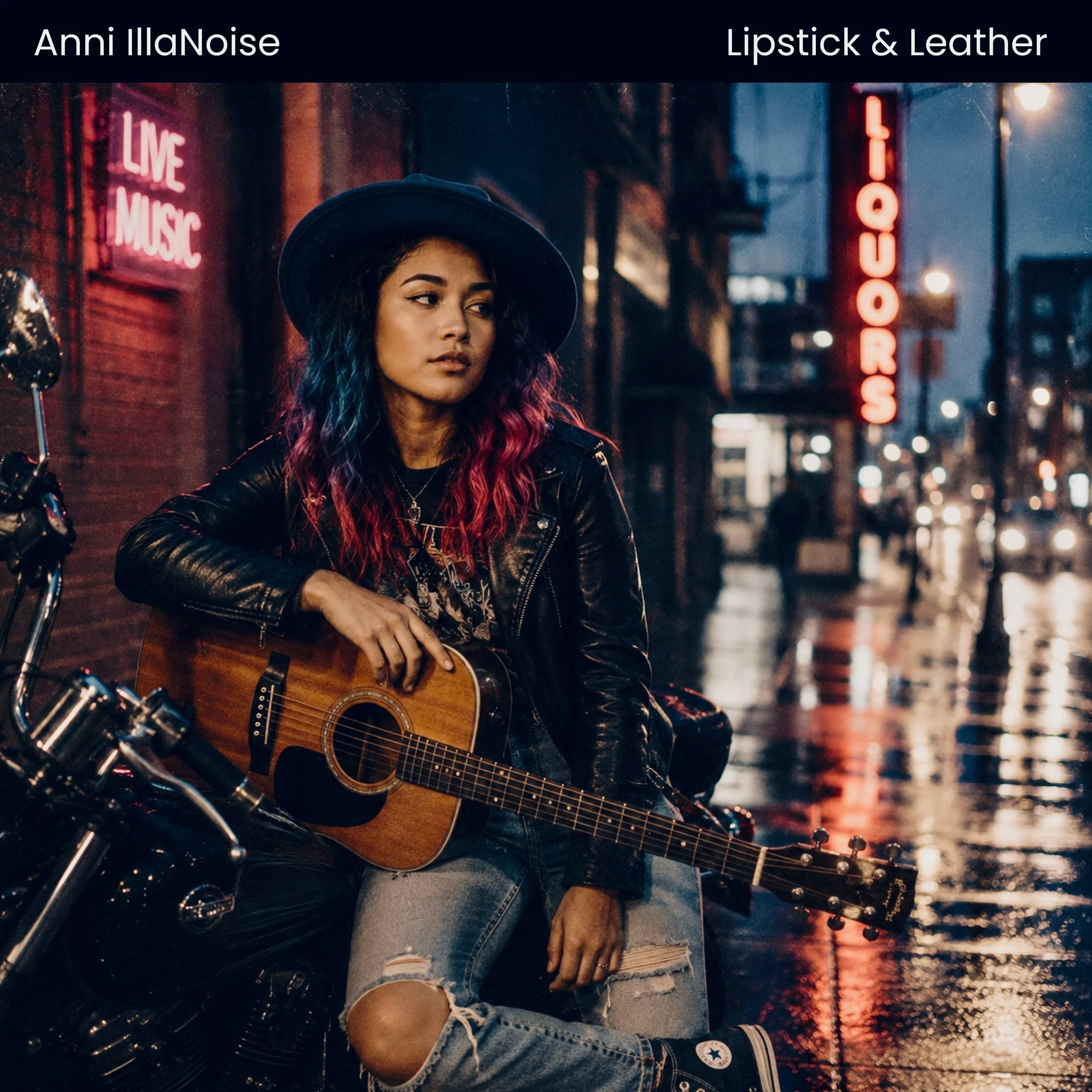
Lipstick & Leather
It All Begins Here
A song about desire, danger, and stepping into your power without asking permission.
People sometimes assume Lipstick & Leather is just a fun, flirty song, and it definitely is that, but underneath it’s really about confidence.
I wrote it after thinking about how women are so often expected to choose between being strong and being feminine, as if you can’t be both at the same time. I’ve never understood that. You can wear boots and eyeliner. You can be kind and still stand your ground. You can be soft without being easy to push around.
The title came first. I loved the contrast between those two words. Lipstick feels glamorous and playful. Leather feels tougher, a little rebellious. Put them together and they become this person who’s completely comfortable being herself without worrying what anyone else thinks.
There’s a bit of attitude in the song too. I wanted it to feel like the moment you catch your reflection before walking into a room and think, “Yeah… I’ve got this.” Not because you’re trying to impress anyone, but because you’ve finally realised you don’t need anyone else’s permission to feel good about yourself.
I think everyone has a version of Lipstick & Leather in their life. It doesn’t have to be about makeup or clothes. It’s that thing you wear, or that song you put on, or that little ritual that reminds you who you are when your confidence needs a boost.
More than anything, I hope it makes people smile. Not every song has to carry the weight of the world. Sometimes it’s enough to celebrate feeling fearless for three and a half minutes.
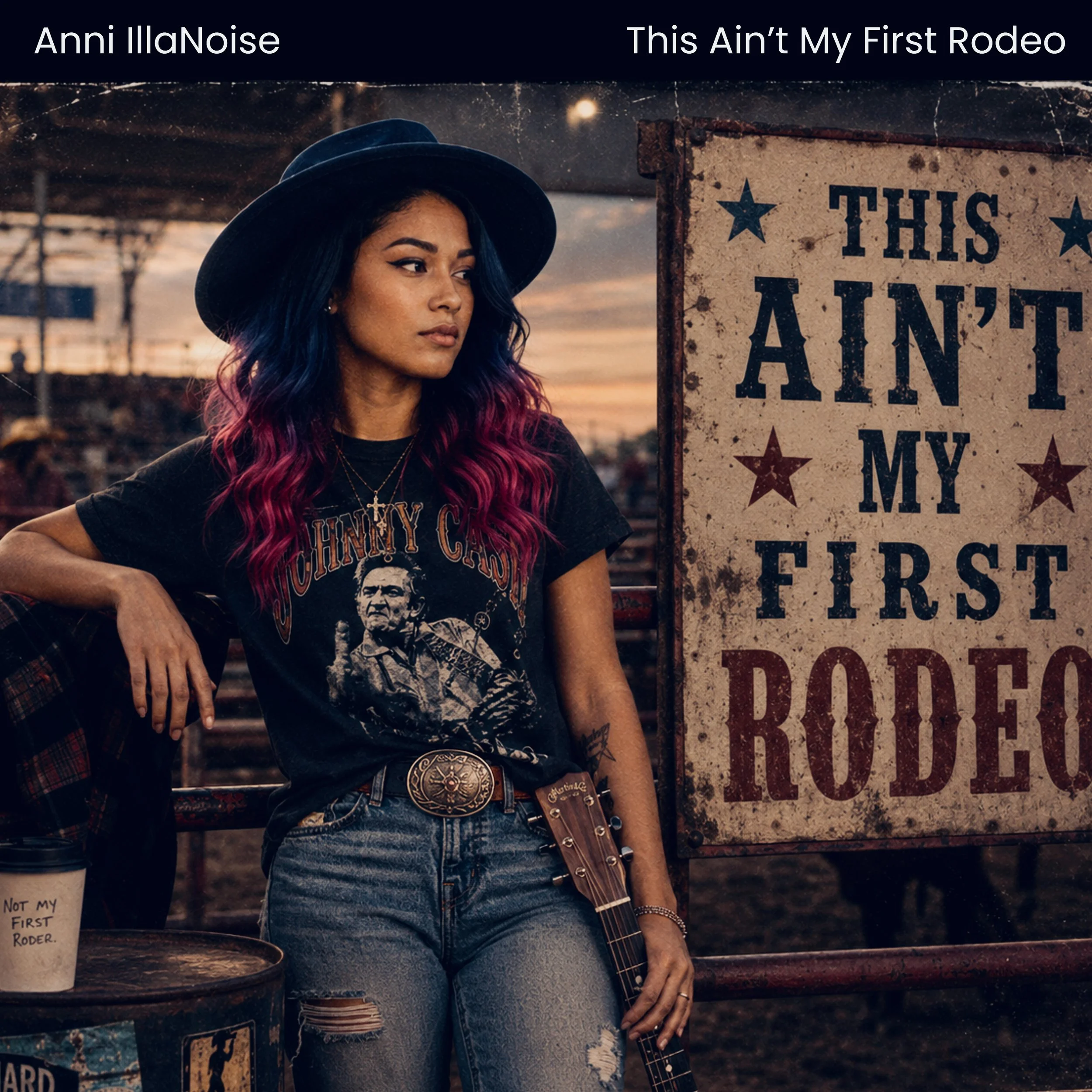
This Ain’t My First Rodeo
A song about some of the slime balls that have crossed my path when I started playing in bars.
I started playing gigs when I was fifteen, which, looking back, was probably far too young to be spending so much time in bars and clubs.
Most people were brilliant. They encouraged me, bought me a Coke instead of a beer, and treated me like a kid chasing a dream. But every now and then there’d be someone who’d make a comment, stand a little too close, or mistake a teenager with a guitar for someone they could intimidate. It taught me to trust my instincts a lot earlier than I probably should have had to.
This Ain’t My First Rodeo came from all of those moments rolled into one. It isn’t about one person or one night. It’s about learning, at a young age, how to stand your ground and make it clear where the line is.
The title says everything. By the time I wrote this song I’d already had enough awkward conversations, unwanted attention and eye-rolling encounters to know exactly how they usually ended. I wasn’t shocked anymore. I was ready.
I wanted the song to have a sense of humour because confidence can be funny. Sometimes the best way to deal with someone who’s trying to make you uncomfortable is to let them know they’ve completely underestimated you. That’s a much more satisfying ending than letting them ruin your night.
I still think it’s one of the most important songs I’ve written because it’s really about self-respect. Every young person deserves to feel safe doing what they love, whether that’s playing music, going out with friends or simply existing without someone crossing boundaries.
If this song reminds even one person that they don’t have to put up with behaviour that makes them uncomfortable, then it’s done exactly what I hoped it would.
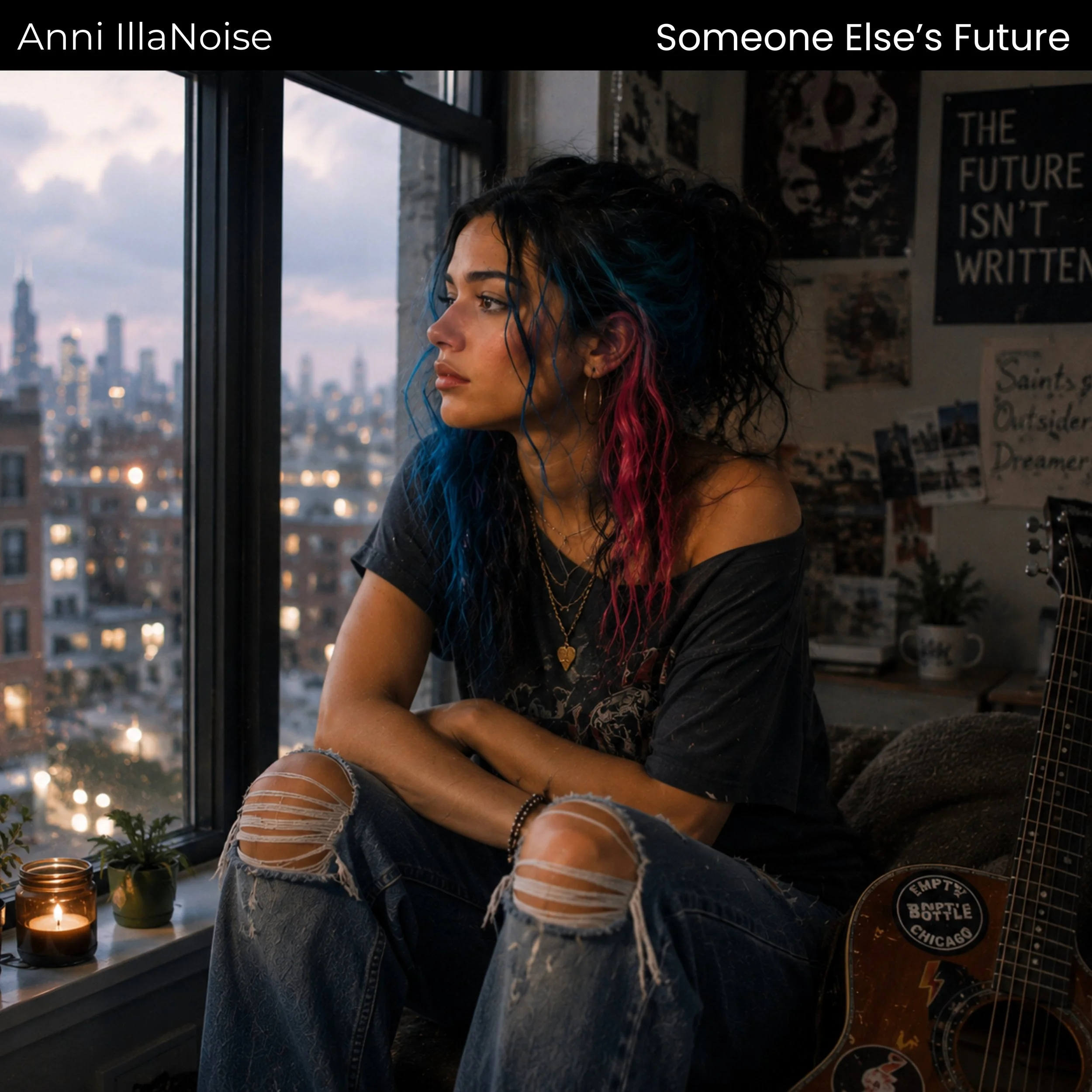
Someone Else’s Future
A song about taking control of your own future, rather than living someone else’s.
I wrote Someone Else’s Future after realising how often people try to write your life for you before you’ve even had a chance to live it.
Growing up in a small town, everyone seems to have an opinion about what you should do next. Stay close to home. Get a sensible job. Find the right person. Settle down. None of those things are wrong, but I started to realise they were other people’s dreams for me, not necessarily my own.
That’s where the title came from.
I remember thinking, What if I’m living someone else’s future instead of my own?
That question stayed with me for weeks.
The song isn’t about rejecting where I came from or the people who cared about me. Most of them genuinely wanted the best for me. But sometimes people try to protect you by making your world smaller, and I needed to find out what happened if I made mine bigger.
Leaving home to chase music was frightening because there were no guarantees. There wasn’t a roadmap. There were plenty of people who thought I was making a mistake. But I’d rather fail chasing my own dream than succeed living somebody else’s.
I think that’s why this song means so much to me. At some point, we all have to decide whose life we’re actually living. Our parents’, our teachers’, our friends’, or our own.
Whenever I sing Someone Else’s Future, it reminds me that the hardest decisions are often the ones that shape us the most. The future isn’t something we’re supposed to inherit. It’s something we’re supposed to create for ourselves.
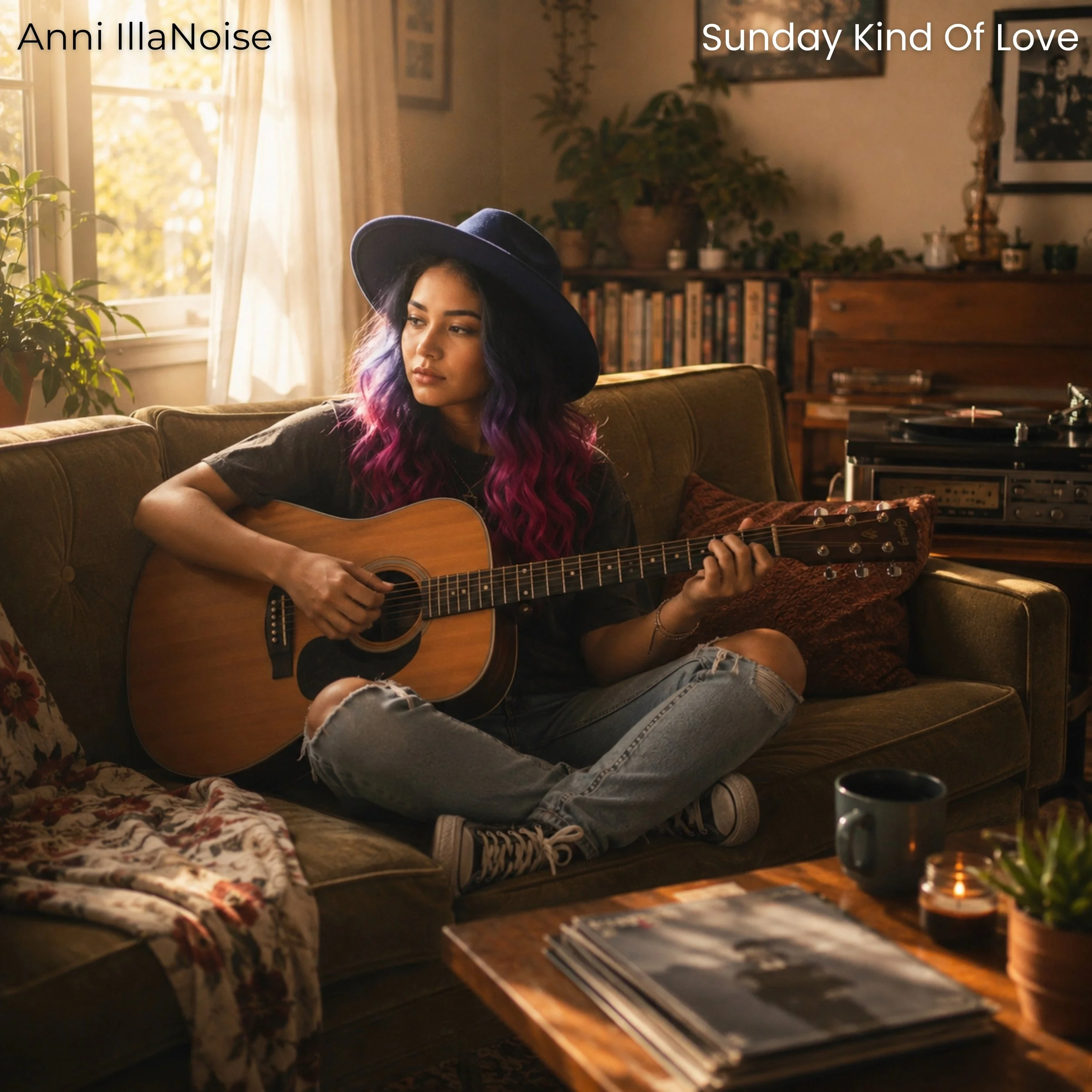
Sunday Kind of Love
A song about the what real love is about, not the fireworks, but the kind of love my Nana & Pop still have today.
I wrote Sunday Kind of Love because I got tired of hearing people talk about love as if it was all fireworks and drama.
That’s exciting for a while, but it isn’t what I was looking for.
To me, a Sunday kind of love is the person who’s still there when nothing exciting is happening. It’s slow mornings, making coffee together, walking to the grocery store, arguing over what film to watch and laughing about something completely stupid. It’s the kind of love that feels like home instead of a rollercoaster.
Maybe I think about love that way because I didn’t grow up with much stability. My family loved each other, but life was unpredictable. Mum came and went when she was struggling, Dad disappeared for months on tour, and it was Nana and Pop who gave me the everyday routines that made a house feel like a home. I think somewhere along the way I realised that consistency is one of the most romantic things in the world.
That’s what this song is really chasing. Not perfection, just someone who chooses you again on Monday, Tuesday, Wednesday… all the way through to Sunday.
I think social media sometimes convinces us that love has to be loud to be real. Grand gestures are lovely, but they’re only a tiny part of a relationship. The moments that really matter are usually the quiet ones that nobody else ever sees.
Sunday Kind of Love is my reminder that the strongest relationships aren’t built on constant excitement. They’re built on trust, kindness and showing up, day after day. That’s the kind of love I hope all of us find one day.
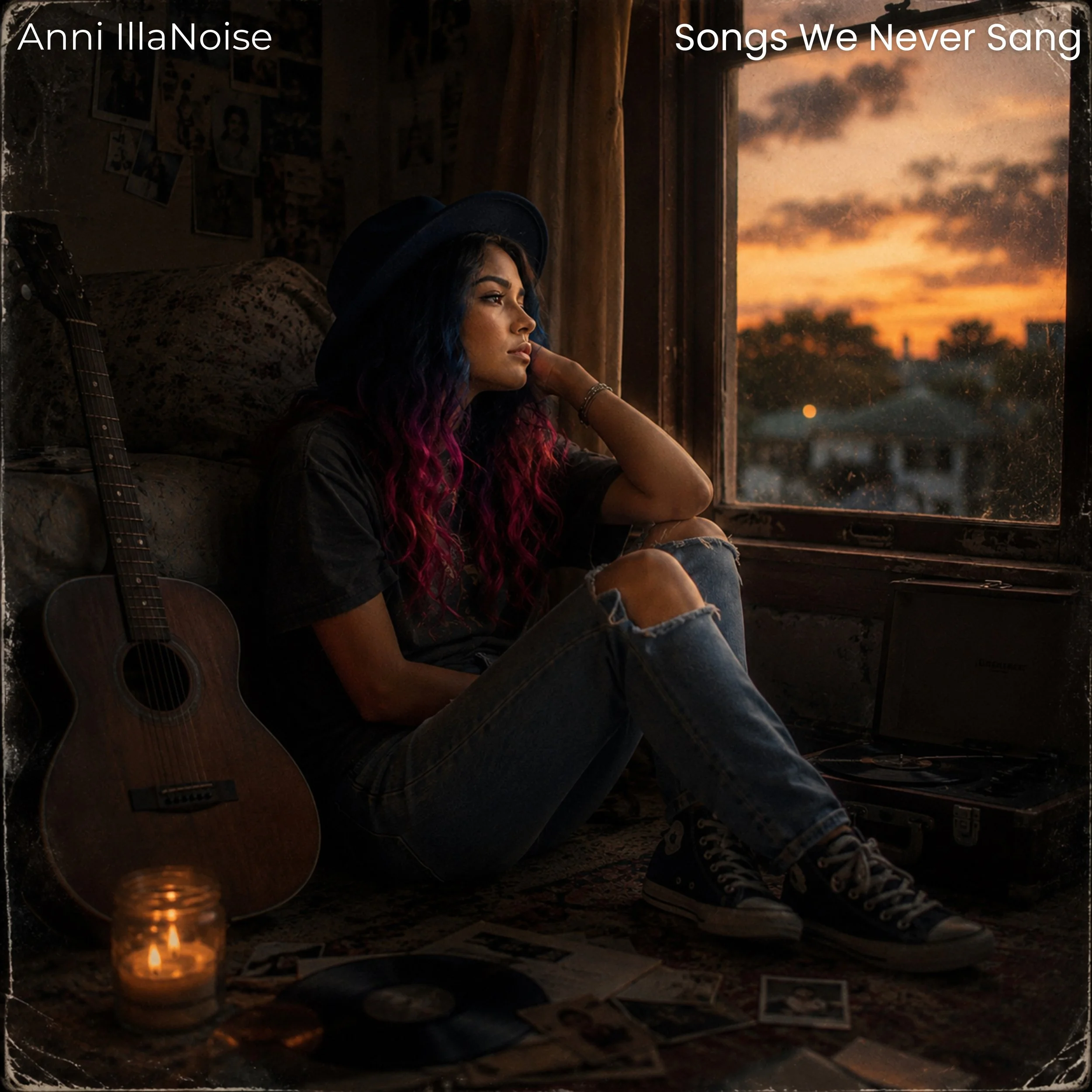
Songs We Never Sang
A song to remember times that may have happened and things I just wished has happened.
Both of my parents were musicians, so you’d think music would have been the thing that brought us together. But life was more complicated than that. Mum disappeared for long stretches when she wasn’t well, and Dad spent so much of his life on the road that seeing him often felt like catching a train that was only in the station for a few minutes.
As a kid, I used to imagine the ordinary moments we’d missed. Singing in the car. Learning old songs together. Borrowing guitars, making up harmonies, laughing because someone forgot the words. Those are the songs in the title—the ones we never got to sing because we were never together long enough.
There’s sadness in that, but I don’t think it’s a bitter song. As I’ve got older, I’ve realised my parents loved me in the ways they knew how. Life just got in the way. Sometimes people can love each other and still miss out on the moments that matter most.
I think that’s something a lot of people understand. We all have memories we wish we’d made, traditions we wish we’d had, conversations we wish we’d shared.
The Songs We Never Sang is my way of remembering those moments anyway. They never happened, but somehow they still feel real enough to miss.

Blood & Bone
It All Begins Here
A song for my sister Mila, and for everyone else who is wondering about their journey through life.
Blood & Bone is probably one of the most honest songs I’ve ever written because it asks a question I don’t think any of us ever really answer: how much of who we are comes from the people who came before us?
I grew up hearing people say, “It’s in your blood,” whenever someone looked or acted like a parent or grandparent. That always fascinated me. We inherit eye colour and smiles, but we also inherit fears, habits, tempers, kindness and ways of seeing the world. Sometimes that’s comforting, and sometimes it’s a little scary.
This song came from wondering whether we’re destined to repeat the stories we were born into, or whether we get to write our own ending. I don’t think there’s a simple answer. I think we’re all a mixture of what we’ve been given and what we choose for ourselves.
There are moments in the song that are very personal, but I wanted it to feel bigger than my own story. Everyone has family history they’re proud of, and everyone has things they’d rather leave behind. We all carry both.
The title, Blood & Bone, felt right because it strips everything back to what makes us human. Before labels, before careers, before all the versions of ourselves we show the world, we’re just people trying to understand where we came from and where we’re going.
I hope that’s why the song connects with people. It’s not really about my family, it’s about all of ours. It’s about recognising the past without letting it decide your future.
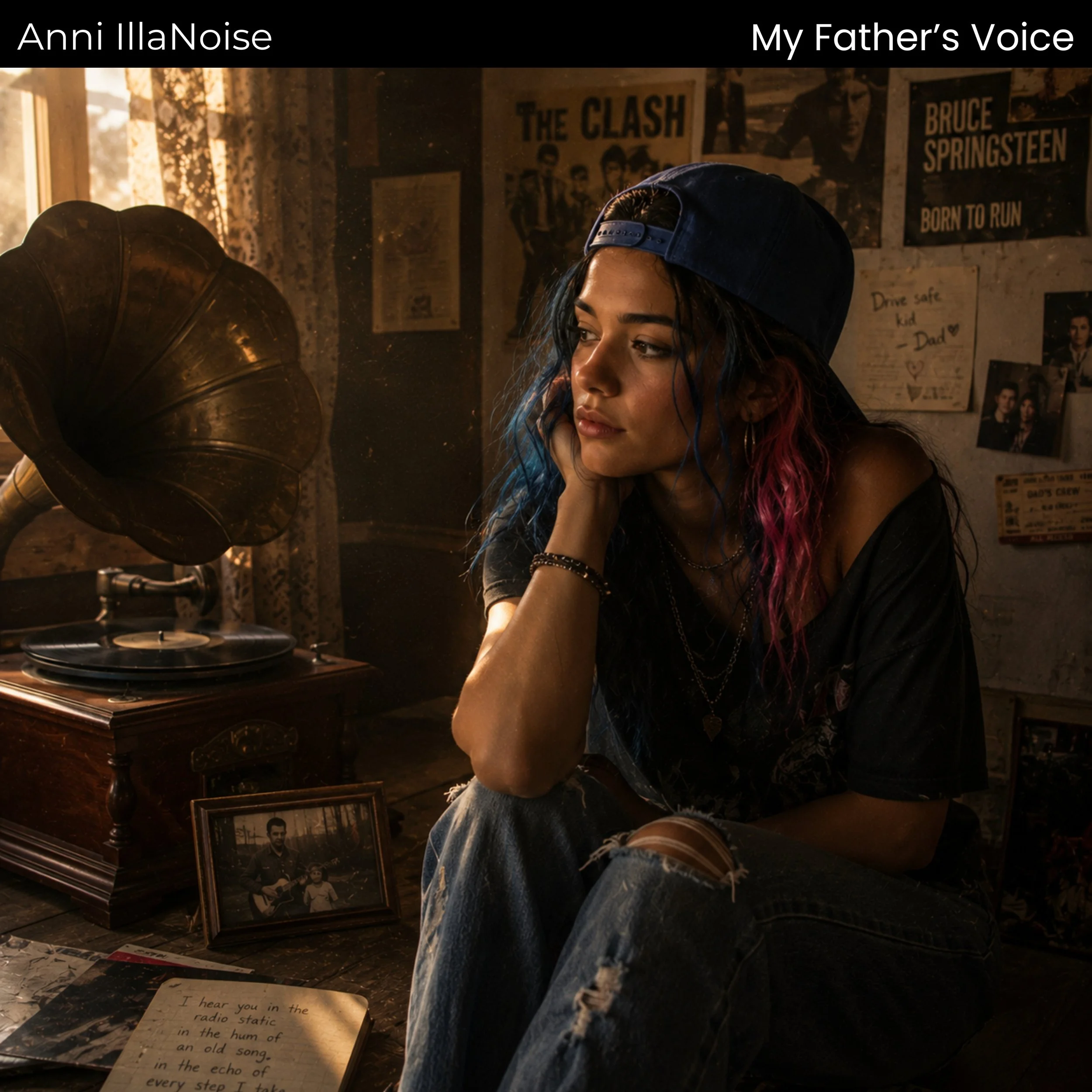
My Father’s Voice
It All Begins Here
A song about trying to understand a father who was only around occasionally.
Out of all the songs on Burning Barns & Bridges, this is probably the one people ask me about the most.
When a parent isn’t around very much, you end up building them from stories, old photographs and the occasional phone call. You know they’re real, but sometimes they feel more like an idea than a person. I wanted to write about that strange feeling of missing someone you never really had.
The song isn’t about blame. It would have been easy to write an angry song, but that’s not what I was feeling. It was more complicated than that. I was curious. I wondered what parts of me came from him. Whether I laugh like he does. Whether I love music because of him. Whether, if we passed each other in the street, I’d recognise something familiar without even knowing why.
I think a lot of people have someone in their life they’ve spent years trying to understand. It doesn’t have to be a parent. Sometimes you reach a point where you realise they’re just another human being with their own fears and mistakes. That doesn’t erase the hurt, but it changes the way you carry it.
Writing My Father’s Voice helped me let go of the idea that every question needs an answer. Some relationships never become simple, and that’s okay. Sometimes all you can do is tell the truth about how they shaped you.
For me, that’s what this song is. It’s not about finding perfect closure. It’s about learning that you don’t have to hear someone’s voice every day for it to echo through your life.
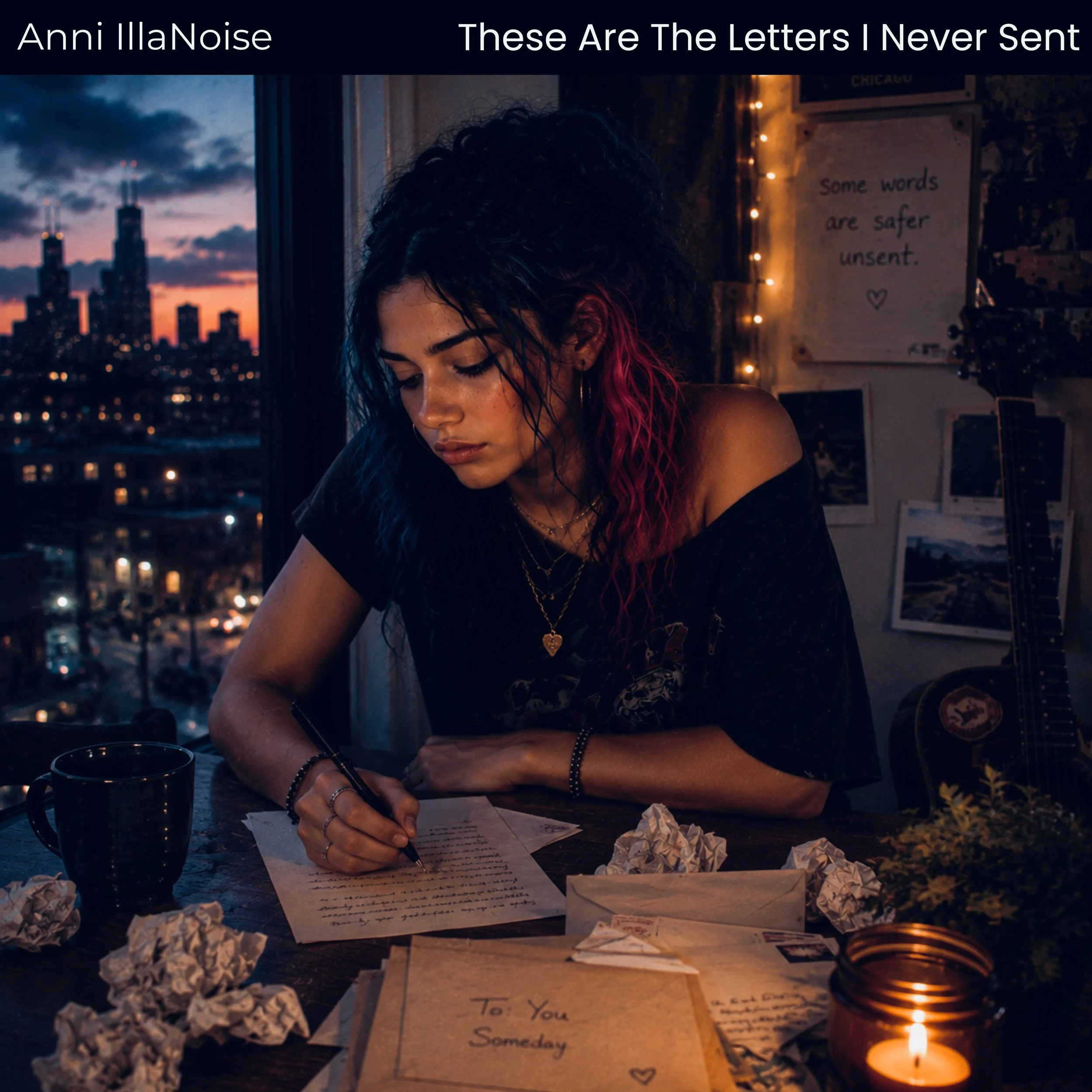
These Are The Letters I Never Sent
A song about the words you keep to yourself, and the people who never get to know how much they changed you.
This song grew out of an idea I’d carried around for years. I used to imagine writing letters to my mum and dad—not because I expected to send them, but because sometimes it was easier to write things down than try to say them out loud.
When someone is only in and out of your life, there are so many questions that never get asked. There are things you want them to know, things you wish they understood, moments you replay in your head wondering if they could have gone differently. Those thoughts don’t just disappear. They end up filling pages.
The letters in this song aren’t angry, even if some of them come from hurt. They’re about trying to understand people who always seemed just out of reach. As I’ve got older, I’ve realised my parents weren’t heroes or villains—they were just people, carrying their own dreams and their own mistakes. That doesn’t make everything okay, but it does make it easier to see them as human.
I think a lot of us have conversations we’ll probably never have. Maybe it’s because the moment has passed, maybe it’s because we don’t know where to begin, or maybe because writing the words down is enough.
For me, this song was those conversations. It was a chance to say everything I’d been carrying without needing an answer back. Sometimes healing doesn’t come from getting a reply. Sometimes it comes from finally finding the courage to tell the truth, even if it’s only to yourself.
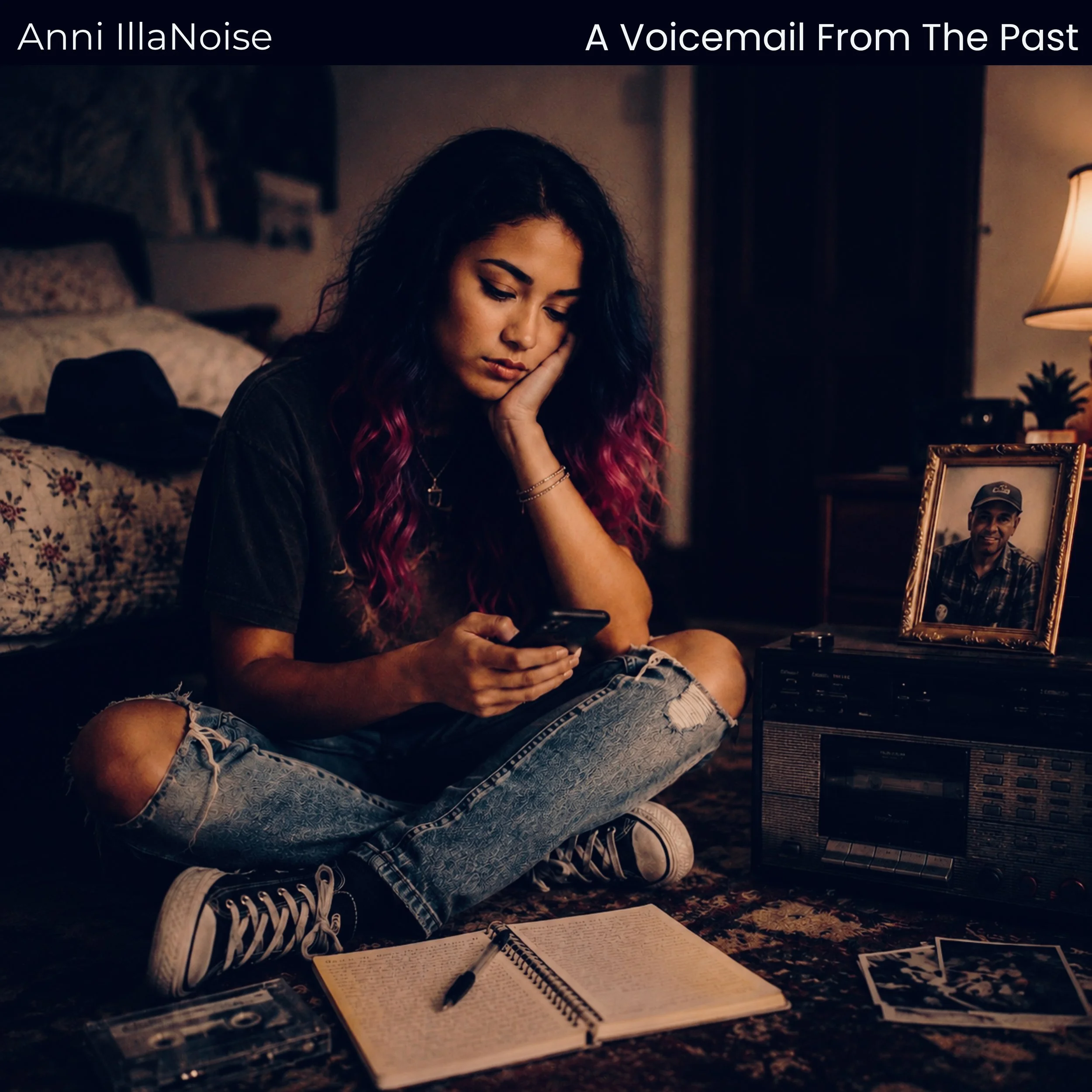
A Voicemail From The Past
It All Begins Here
A song about missing people… and making sure you treasure those you love.
I wrote this song on a bus back to Watseka after hearing that my Pop was seriously ill.
Before I left Chicago, I found an old voicemail he’d left me months earlier. It wasn’t anything extraordinary, just Pop checking in, asking how I was doing, telling me to come home when I could. The sort of message most of us listen to once and then forget about.
But on that journey, I couldn’t stop playing it.
For the first time, I realised that one ordinary voicemail might become something precious. I kept thinking, what if this is the last time I ever get to hear his voice? It made me realise how easily we take those everyday moments for granted until we’re frightened they might disappear.
Thankfully, Pop recovered, and I got to hear that voice in person again. But the feelings from that journey stayed with me, and they became this song.
I think we’ve all got something like that tucked away somewhere, a voicemail, an old recording, a home video. We don’t think much about them until one day they become priceless because they capture something no photograph ever can: a person’s voice, exactly as we remember it.
Whenever I hear this song now, I’m reminded not to wait for a crisis before I tell the people I love how much they matter. Sometimes the most ordinary messages become the ones we treasure most.
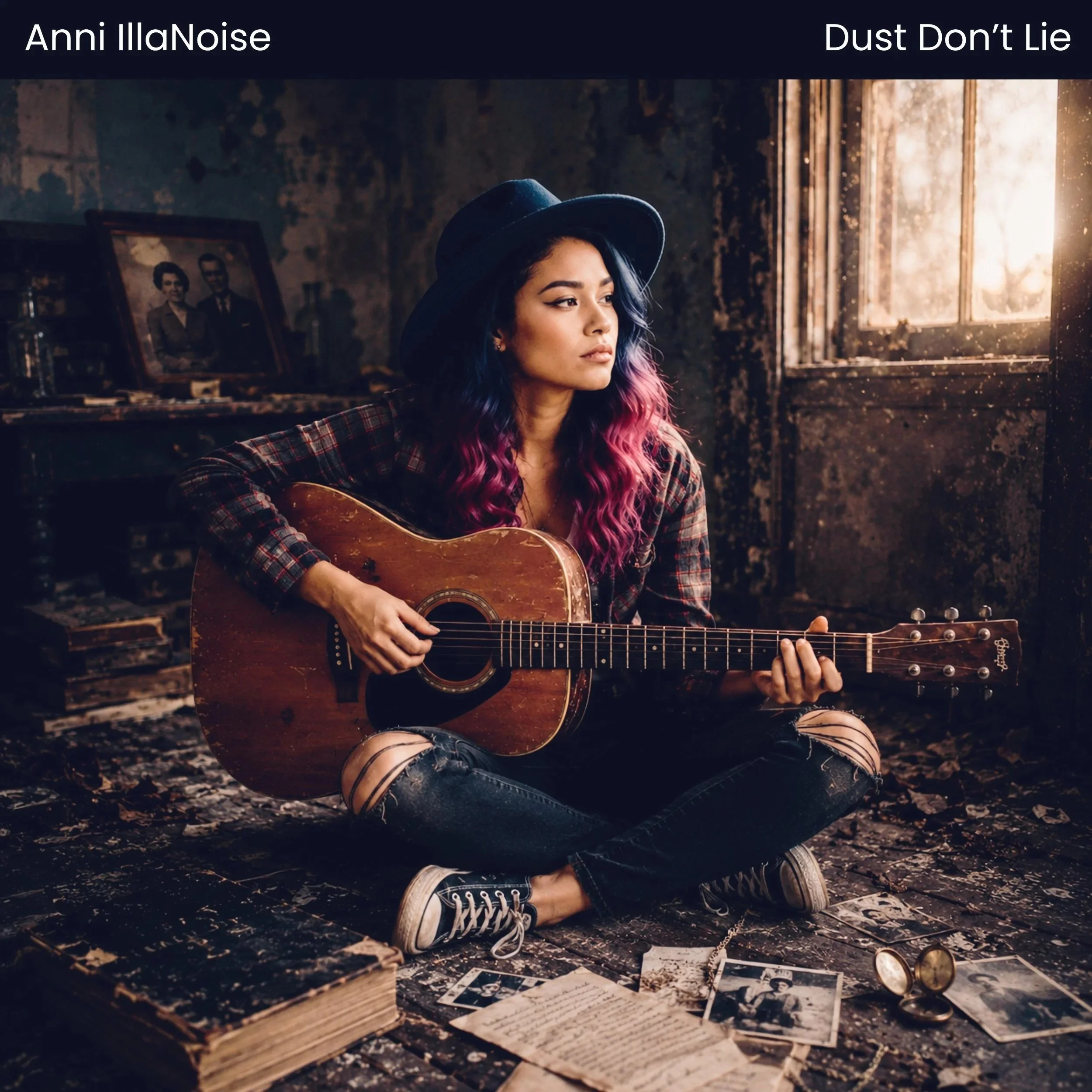
Dust Don’t Lie
A song about family ghosts, buried truths, and the past that keeps showing up no matter how far you run.
I’ve always been fascinated by the idea that houses remember people. You can walk into a place you haven’t seen for years and, somehow, it still feels like the conversations are hanging in the air. That’s where Dust Don’t Lie came from.
Growing up, my grandparents’ house was full of little things that never seemed to move. Old photographs, a Bible on the nightstand, creaky floorboards, the smell of old wood and dust in the attic. As a kid, I used to imagine those things were quietly keeping score of everyone’s lives. That feeling stayed with me.
The song isn’t about one specific event. It’s about going back to somewhere that made you who you are and realising you can’t leave every part of yourself behind. We all have things we’d rather forget, things we wish we’d said, people we wish we’d understood better. Time passes, but those memories have a way of finding you again.
When I wrote the line “You can wipe the windows, but dust don’t lie,” it felt like the whole song suddenly made sense. You can try to clean up the past or rewrite it in your head, but the truth has a habit of settling back into the corners.
I think that’s why so many people connect with this song. You don’t have to grow up in a small town or an old farmhouse to understand it. Everybody has a place that still lives inside them. Everybody has memories that refuse to stay buried.
For me, Dust Don’t Lie is about making peace with where you came from. Not because the past was perfect, but because it’s part of the person you eventually become.
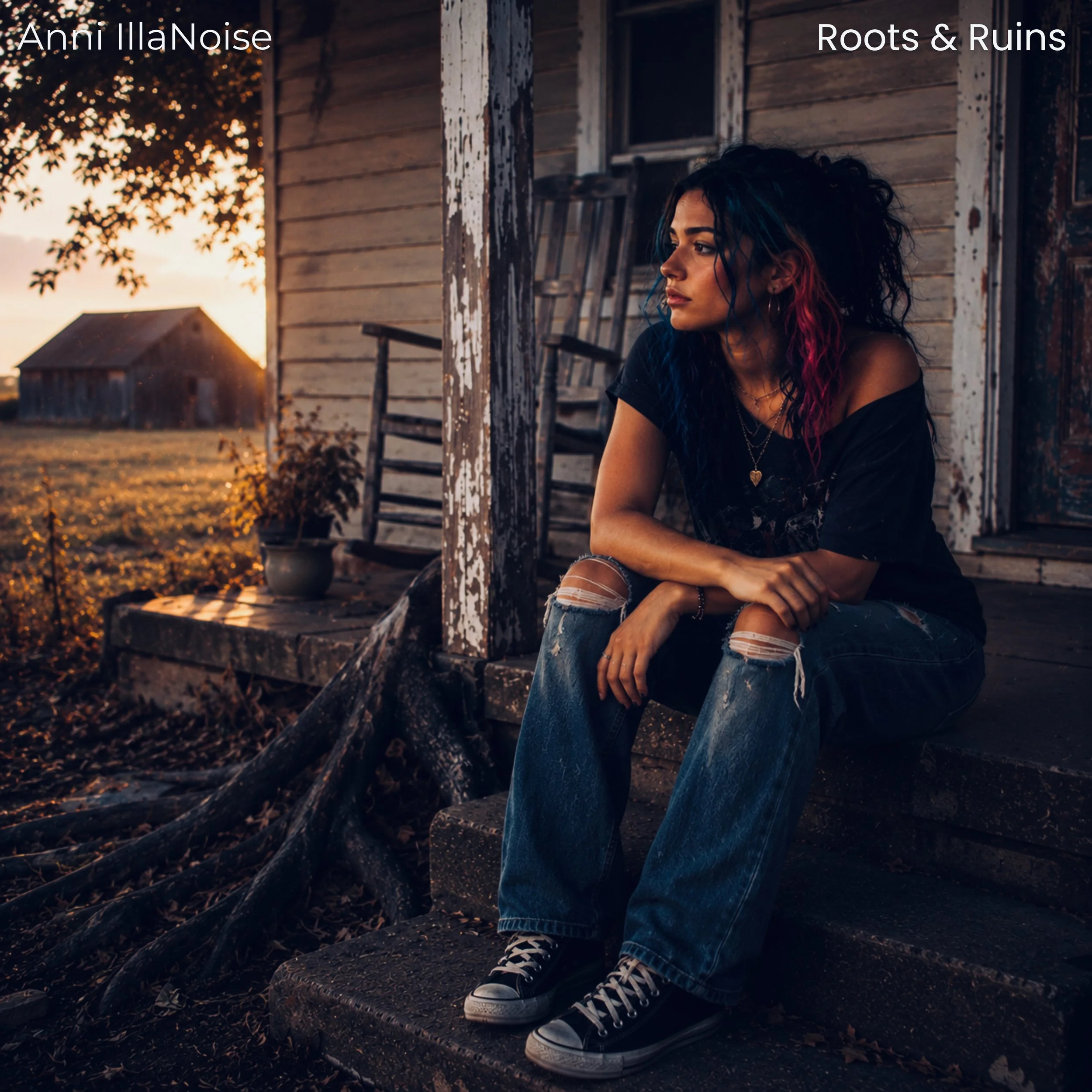
Roots & Ruins
A song about the first tastes of freedom, heartbreak, and becoming yourself at fifteen.
I’ve always believed you can love where you come from without wanting to stay there forever.
Roots & Ruins is about that complicated relationship we all have with home. My roots are in Watseka. That’s where I learned to play guitar, where Nana and Pop raised me, where I first started writing songs, and where I learned what love, loyalty and hard work looked like. I wouldn’t be the person I am without that place.
But every place has its ruins too.
For me, those were the memories of people leaving, promises that weren’t always kept, and the feeling that if I stayed too long, my own dreams might quietly disappear. Loving a place doesn’t mean pretending it was perfect.
That’s really what the song is about—accepting that both things can be true at the same time. You can be grateful for the people who shaped you while also recognising the parts of your past that you needed to leave behind. One doesn’t cancel out the other.
I think Nana and Pop are at the heart of this song. They gave me the roots that let me grow into myself. Even when I left home, I never felt like I was leaving them behind. They taught me that your roots aren’t there to keep you in one place. They’re there to give you the strength to keep growing, wherever life takes you.
I think everyone has their own version of Roots & Ruins. It’s that place you still think about when someone asks where you’re from. The place that made you, challenged you, frustrated you and loved you all at once.
To me, this song is about finally making peace with the idea that our past is never just one thing. It’s made up of beautiful memories and broken ones, roots and ruins. And somehow, together, they become home.
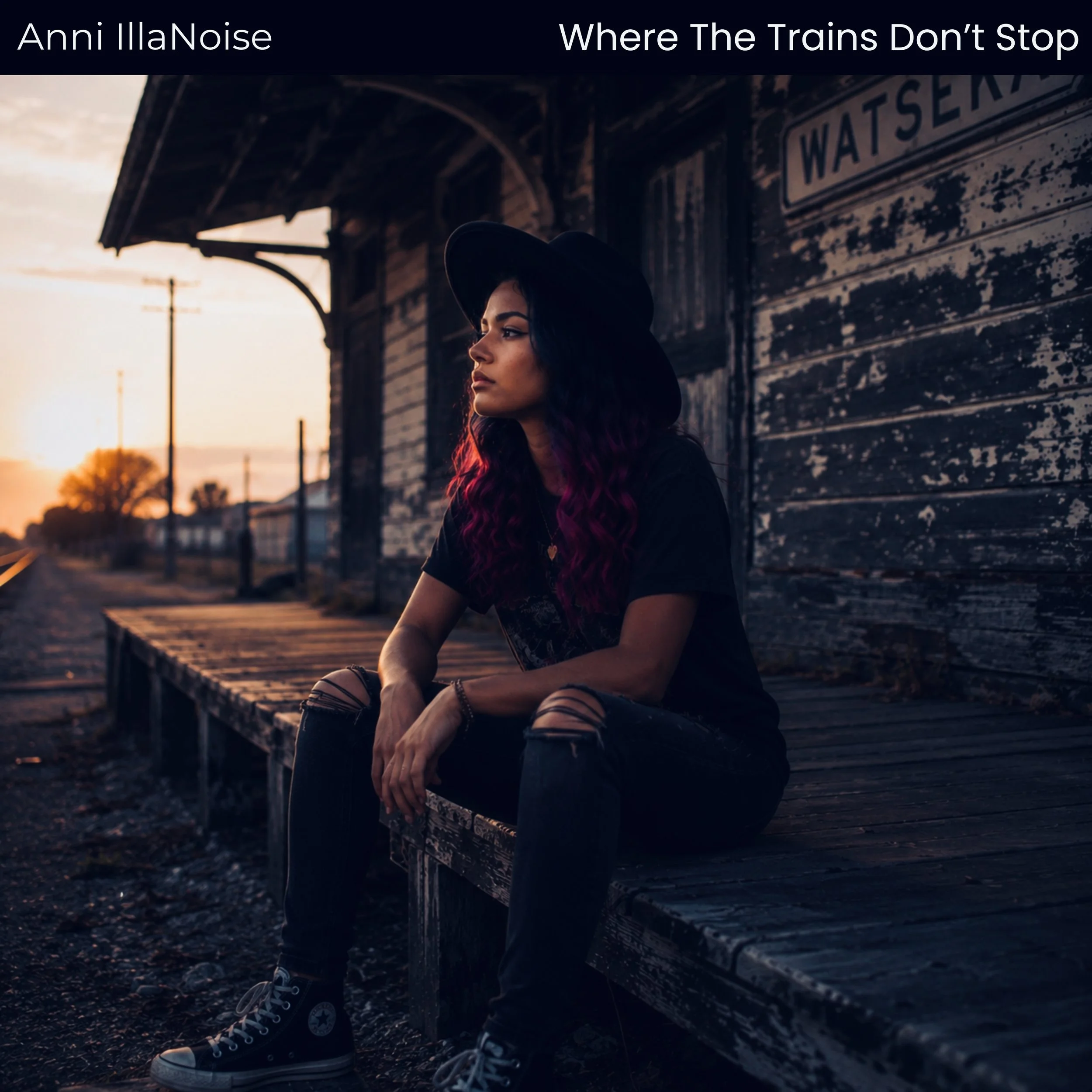
Where The Trains Don’t Stop
It All Begins Here
A song about growing up beside a station that became a memory, while the rest of the world kept moving.
I wrote Where The Trains Don’t Stop with the old Watseka train station in mind.
By the time I knew it, the station wasn’t really a way out anymore. It was history — a local landmark, a place people could look at, photograph, preserve, and talk about. But that almost made it more powerful to me. It stood there like proof that Watseka had once been connected to somewhere bigger, even if, as a kid, it could feel like the wider world was passing us by.
That image stayed with me: a station turned into a memory, tracks that still suggested movement, and a town where leaving felt less like catching a train and more like inventing your own escape.
The song isn’t literally about waiting on a platform. It’s about growing up in a place where the idea of departure is everywhere, but the actual way forward isn’t obvious yet. It’s about watching other people move on, wondering when your life is going to begin, and feeling caught between nostalgia for home and the need to outgrow it.
Where The Trains Don’t Stop is about longing, restlessness, and the ache of standing beside history while dreaming of a future that hasn’t arrived yet.
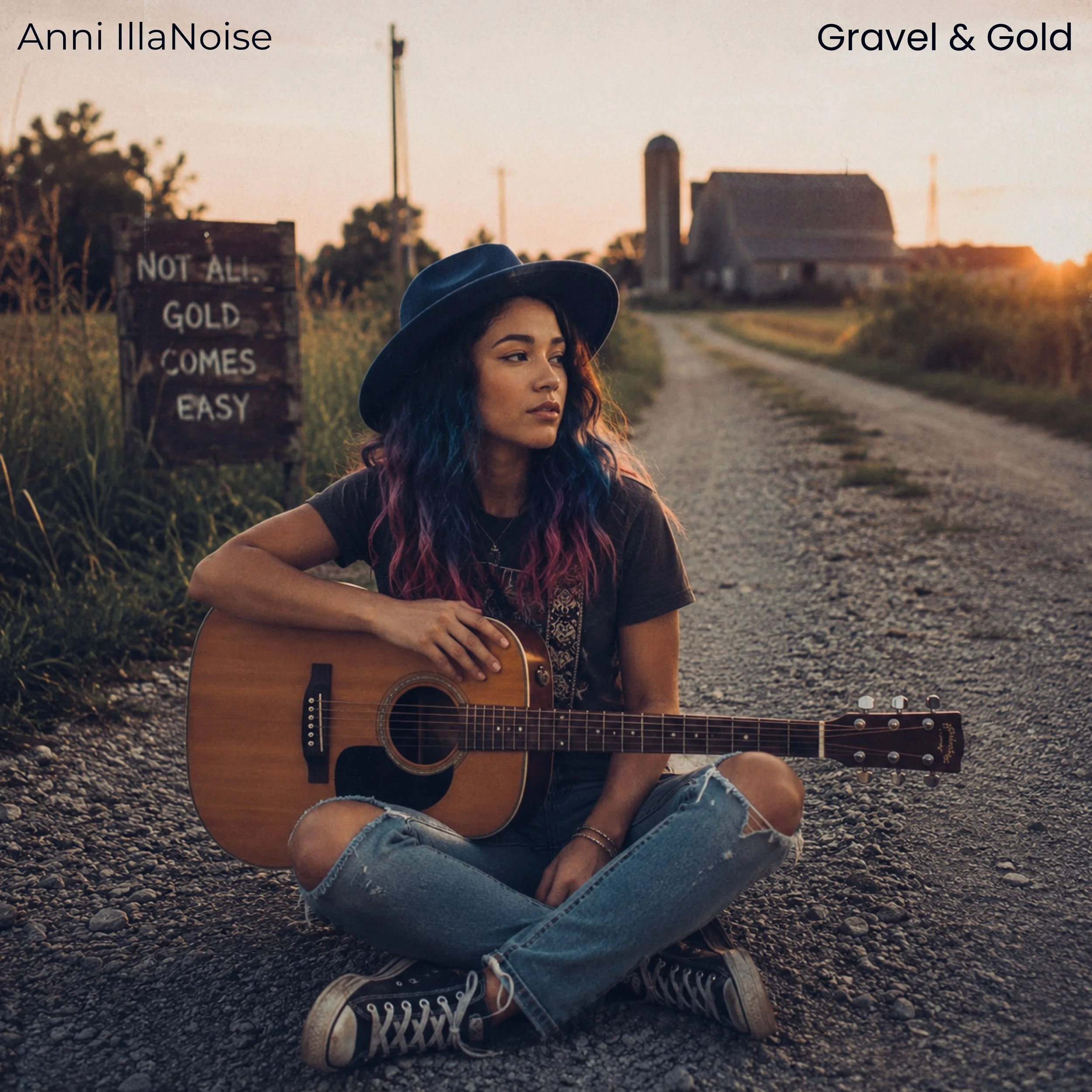
Gravel & Gold
It All Begins Here
A song about being rough around the edges, carrying your scars proudly, and finding your own shine without polishing away where you came from.
I wrote Gravel & Gold at a time when I was trying to stop apologising for where I came from.
When you’re young, it’s easy to think everyone else has a more interesting story. You look at people who seem polished and confident, and you wonder if you need to smooth off your own rough edges to fit in. I definitely felt that. Leaving a small town and stepping into a much bigger world can make you question everything about yourself.
The title is really about that contrast. Gravel is the rough stuff. It’s the roads I grew up on, the scrapes, the mistakes and all the things that aren’t glamorous. Gold is what those experiences become if you don’t hide them. One doesn’t exist without the other.
There are a lot of little pieces of my grandparents in this song too. They taught me that character isn’t built by easy days. You earn it by getting back up when life knocks you down. Looking back, I realise they were giving me lessons that had nothing to do with music and everything to do with life.
One of my favourite lines is, “Ain’t polished clean, but I still glow.” I think that’s the message I needed to hear when I wrote it. You don’t have to be perfect to be worth listening to. You don’t have to erase the difficult parts of your story to move forward.
If Dust Don’t Lie is about accepting your past, then Gravel & Gold is about being proud of it. It’s a reminder that the things that leave a few scars are often the things that make us who we are.